Your BER Rating, Explained Without the Jargon
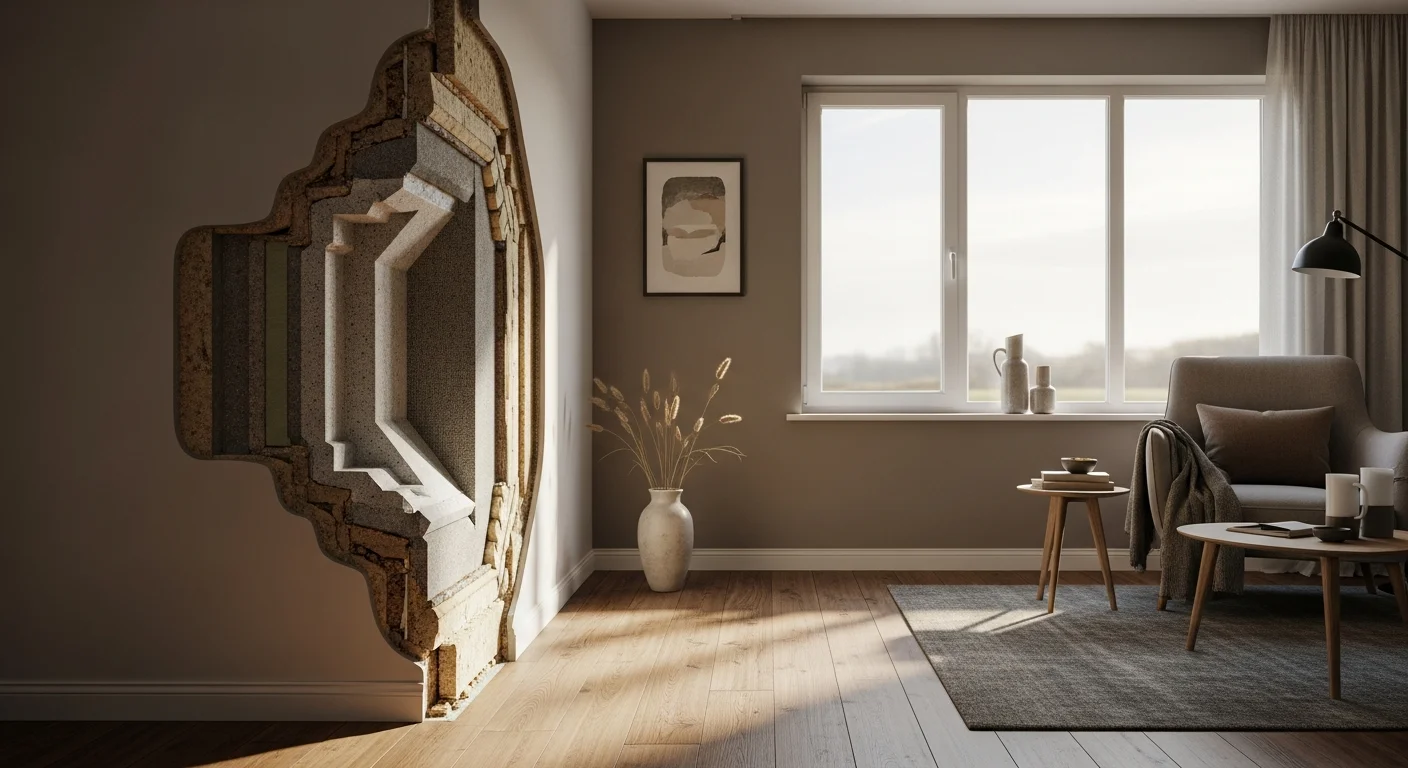
If you've ever sold a house in Ireland, rented one out, or applied for an SEAI grant, someone has waved a "BER" certificate at you. Most people nod along, file it, and never look at it again. Which is a shame — because that letter on the cert (probably a C or a D, possibly a G if your house has character) is the single most useful summary of your home's energy performance you'll ever get.
What BER actually means
BER stands for Building Energy Rating. It's a legally required certificate, issued by a SEAI-registered assessor, that grades your home from A1 (best) to G (worst) based on how much energy it uses to heat, light and ventilate.
The rating is expressed in kWh per square metre per year — basically, how much energy your house consumes per square metre of floor area, per year. The smaller the number, the better.
- A1–A3: Brand-new, super-insulated, near-zero-energy. Mostly post-2019 builds.
- B1–B3: Modern or well-retrofitted. Most homes built since 2008, or older homes properly upgraded.
- C1–C3: Average. Insulated but room for improvement. The 1990s/2000s norm.
- D1–D2: Poor. Likely missing some insulation, older heating system. Common in 1970s/80s housing.
- E, F, G: Very poor. Solid-wall, no cavity, old boiler, draughty windows. The classic 1950s-and-earlier semi.
How it's calculated
A BER assessor visits your home — typically 60–90 minutes — and measures and records:
- Floor area and dimensions of every room
- Type and thickness of wall, attic and floor insulation
- Heating system (boiler model, age, controls)
- Hot water system (cylinder, immersion, lagging jacket)
- Window and door types (single, double, triple glazed; frame type)
- Ventilation (extract fans, HRV systems, trickle vents)
They feed it into the DEAP software (Dwelling Energy Assessment Procedure), which spits out the rating. It's a calculated rating, not a measured one — meaning it's based on the fabric of the building, not on how you personally use it. Two identical houses with the same BER could have wildly different actual bills depending on whether you keep the heating on all day or only when you're cold.
Why it matters
Selling or renting. A BER cert is legally required before you can advertise a property for sale or rent. No cert, no listing on Daft or MyHome.
SEAI grants. Almost every SEAI grant requires a pre-works BER and a post-works BER. They want to see the upgrade actually moved the needle.
Mortgage rates. Several Irish lenders (AIB, Bank of Ireland, Haven, PTSB, ICS) offer green mortgage rates for properties with a BER of B3 or better. The discount can be 0.2%–0.5% off the standard variable, which on a €300,000 mortgage works out to €600–€1,500 a year. A genuinely valuable bonus that almost nobody talks about.
Resale value. A B-rated home in Ireland sells for measurably more than an equivalent D-rated one in the same area. Estimates vary but the premium is in the €15,000–€30,000 range for a typical 3-bed semi. The market notices.
What it costs
A BER assessment costs €150–€250 depending on your county and the size of your home. The SEAI grant knocks €50 off if you're combining it with grant-funded works. The cert is valid for 10 years.
How to improve your BER quickly
The fastest jumps come from the obvious things:
- Attic insulation to 300mm depth — almost always pays for itself in two winters and lifts a BER by half a band or more
- Cavity wall insulation — quick, cheap, transformative for 1980s/90s houses with empty cavities
- Heating controls and TRVs — boring, but the DEAP calculation rewards them generously
- Lagging jacket on the hot water cylinder — €30 of foam, half a band of improvement
- LED bulbs throughout — small but counts in the calculation
Bigger jumps need bigger work: external wall insulation, heat pump, solar PV, new windows. A typical D-rated 1980s semi can credibly get to a B3 with a properly planned retrofit at a total cost of €25,000–€45,000, less the €15,000–€25,000 in grants.
The shortest possible advice
If you're planning any energy upgrade — solar, heat pump, insulation — get a BER done first. €150 spent on knowing what your house actually needs is the best money you'll ever spend in this category.
CleanEnergy.ie connects you with SEAI-registered BER assessors in your county. Free for homeowners, always.