Selling Electricity Back to the Grid in Ireland: How Microgen Export Tariffs Actually Work in 2026
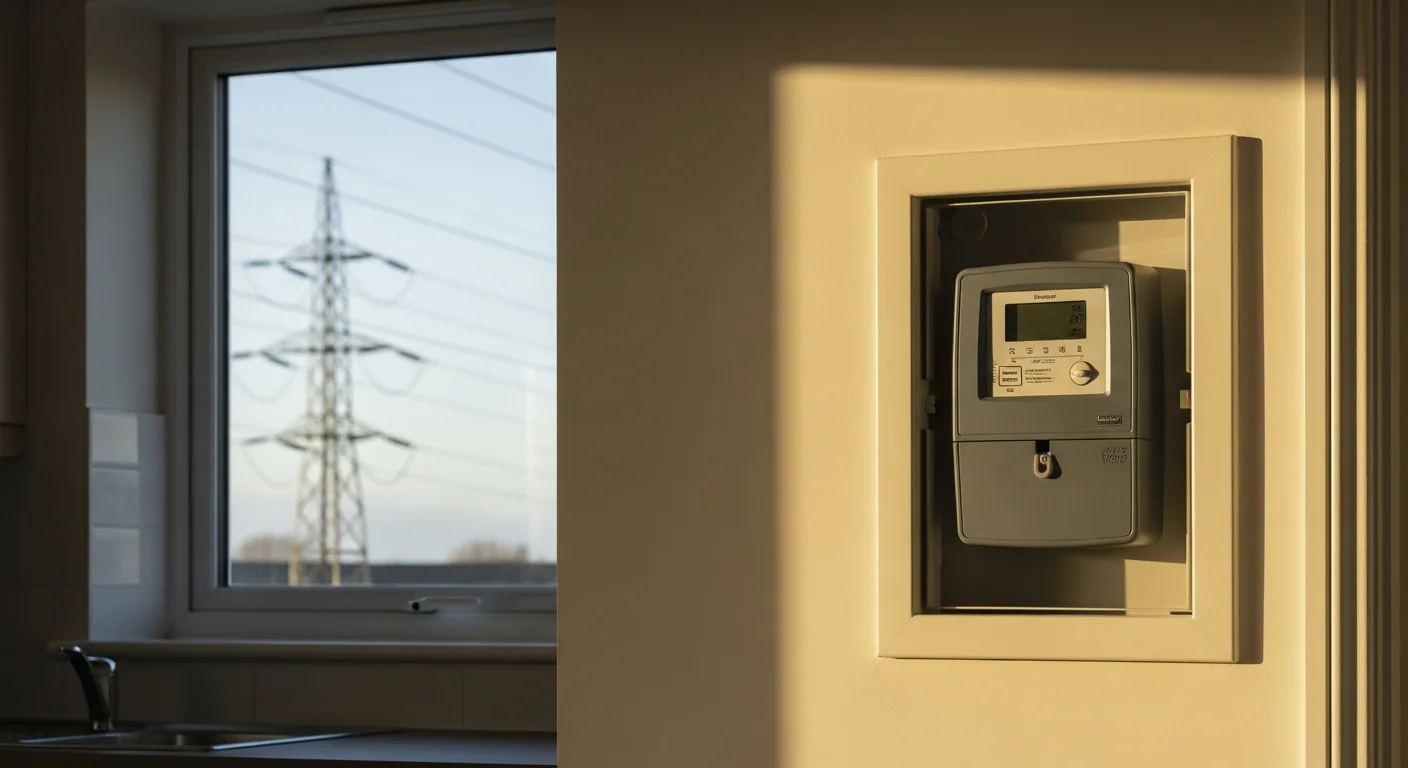
If you've installed solar panels in Ireland, there will be days — most days, in summer — where your roof produces more electricity than your house uses. That surplus doesn't go to waste. It flows back into the grid, your smart meter clocks it, and your electricity supplier owes you money for it.
This is the Clean Export Guarantee, regulated by the Commission for Regulation of Utilities (cru.ie) and live since 2022. It applies to every household microgenerator in Ireland.
The catch: most homeowners have no idea what rate they're actually being paid, and switching supplier for a better one is the single highest-return five-minute decision in solar ownership. Here's the plain version.
How the payment actually works
Three things have to be in place:
- A smart meter installed at your property. ESB Networks have rolled these out across most of the country — if you haven't been switched yet, you can request one. Standard meters can't measure export, so without a smart meter you don't get paid.
- An NC6 form filed with ESB Networks by your solar installer (they do this as part of the install, but worth confirming it was actually submitted).
- A supplier signed up to pay you. All licensed suppliers in Ireland are required to offer a Clean Export Guarantee rate. You have to be on a plan that includes it — they don't always switch you automatically.
Payment usually arrives as a credit on your electricity bill (so your bill goes down, sometimes to zero, sometimes into credit you can withdraw). A few suppliers pay quarterly via bank transfer. None of them pay weekly — expect lump credits every billing cycle.
What suppliers are paying in 2026
These are typical published Clean Export Guarantee rates per kWh exported, as of spring 2026. Rates do move — always check directly before switching — but the relative ranking has been stable.
- Bord Gáis Energy: around 21c/kWh
- Electric Ireland: around 24c/kWh (top of the market in 2026)
- Energia: around 23c/kWh
- SSE Airtricity: around 20c/kWh
- Pinergy: around 21c/kWh
- Flogas: around 18c/kWh
- Community Power: around 22c/kWh
The spread between the worst and the best is around 6c per kWh. For a typical Irish home exporting 2,500 kWh a year, that's a €150 difference, every year, for no extra effort.
Why most people are leaving money on the table
When you first install solar, your existing supplier doesn't automatically move you to a microgen-friendly tariff. You usually have to phone them and request it, or switch to a new plan within the same supplier. A few will quietly pay you a default low rate until you ask.
The five-minute exercise:
- Find your annual export figure on your bill or My ESB Networks portal.
- Multiply by the rate gap between your current supplier and the market leader.
- If the difference is more than €100/year, switch.
Switching suppliers in Ireland takes around 14 days end-to-end. No engineer visit, no service interruption — your physical electricity supply doesn't change, only the billing entity. The new supplier handles the switch with the old one.
The small print to watch for
Standing charges and unit rates matter more than the export rate. A supplier paying 24c export but charging 35c per kWh on the import side may cost you more overall than a 21c-export supplier on a cheaper import tariff. Always compare total annual cost using your actual usage, not just the headline export rate.
Microgen income is tax-exempt up to €400/year. Revenue's rule. Most household solar systems sit well below this threshold, so most homeowners pay no tax on export earnings. If your system is large (8 kWp+) and you export a lot, the income above €400 is taxable as miscellaneous income — declared on your Form 12 or Form 11.
Some smart tariffs are export-friendly, others aren't. If you're on a time-of-use plan with a cheap night rate (Electric Ireland Home Electric+, Energia Smart Drive, etc.), check what export rate it includes. The very cheapest night-rate plans sometimes pair with the lowest export rates.
Maximum export size: 6 kWp without prior application. Above 6 kWp you need ESB Networks to approve the connection. Most domestic installs are 4–6 kWp and fit comfortably under the threshold.
What if you don't have solar yet?
The economics for new installs in 2026 are the strongest they've ever been in Ireland. Between the SEAI grant (up to €1,800), real export income, and rising grid electricity prices, payback periods for a typical 4–5 kWp install on a south-facing roof are now 6–8 years. (See our 2026 solar cost guide for the underlying numbers.)
If you're weighing up whether to add battery storage on top, the export-tariff picture is exactly why "panels only, no battery" has become a perfectly defensible choice for most households.
The shortest possible advice
Check the export rate you're currently being paid. If it's below 22c/kWh, look at what Electric Ireland, Energia and Community Power are offering today — and switch. It takes 14 days, costs nothing, and will quietly add €100–€200 to your annual savings for as long as your solar is on the roof.
CleanEnergy.ie connects Irish homeowners with SEAI-registered installers for new solar installs, all including the NC6 paperwork and microgen setup as standard. Free for homeowners, always.