Dynamic Electricity Tariffs Land in Ireland on 1 June 2026: What It Actually Means
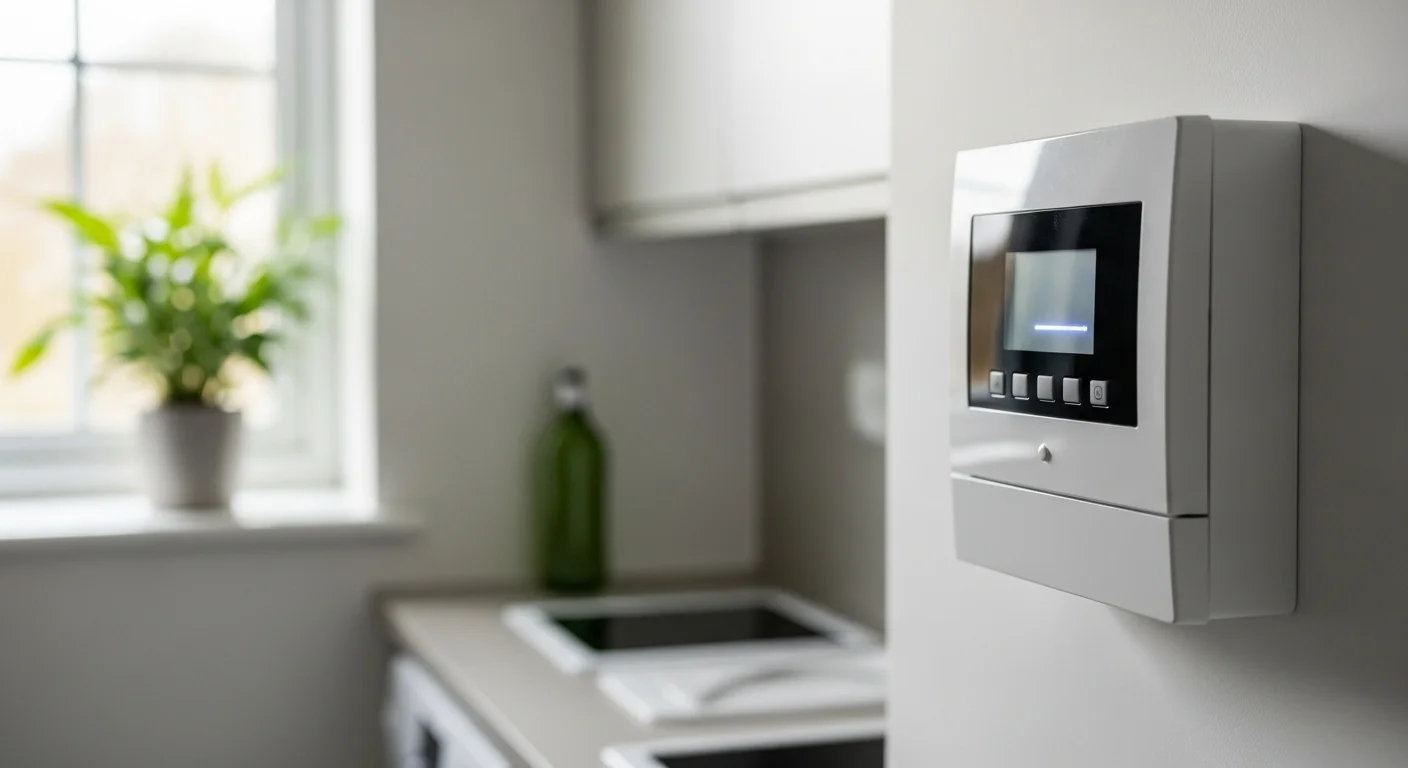
From this Sunday, 1 June 2026, every major electricity supplier in Ireland is required to offer dynamic tariffs — electricity plans where the price you pay changes every half hour, tracking the wholesale market. Cheap when the wind is blowing or the sun is shining. More expensive at the evening peak when demand is high and the grid is leaning on gas.
RTÉ Brainstorm published a very readable explainer this morning by Dr Conor McGinn at Maynooth University. It is worth reading in full. If you do not have ten minutes, here is the homeowner version.
What is changing on 1 June
Today, most Irish households are on either a flat rate (one price per kWh, all day) or a day/night tariff (cheaper between roughly 11 PM and 8 AM). Dynamic tariffs add a third option: a price that updates every half hour, published the day before, based on the weather forecast and predicted grid supply.
The standing charge stays. There is a cap on how high the price can go. But the rate itself follows the wholesale market — within tight consumer-protection limits.
If you're new to any of this and the wider vocabulary feels foggy, our plain-English introduction to clean energy sets the scene in one read.
Why this matters for emissions
Ireland already generates a large share of its electricity from wind — you can see the current renewable mix on EirGrid at any moment. But on particularly windy days, the grid hits a ceiling — currently around 75% renewables — and the rest has to be cheap wind that gets "curtailed" (switched off) in favour of the gas plants needed to keep the grid stable. McGinn cites a curtailment cost of around €140 million a year passed on to consumers.

Dynamic tariffs are a way to shift demand to those windy moments instead of throwing the wind energy away. The more households that run their dishwasher, charge an EV, or heat their water when the grid is green, the less wind has to be wasted.
Who benefits most
Dynamic tariffs are not a free win for everyone. They tend to suit:
- Households with a smart meter. Required, not optional. Most new and recently-built Irish homes have one; older homes can request a free upgrade via ESB Networks.
- EV owners who can schedule charging overnight or during a forecast windy afternoon.
- Heat-pump households, especially if you can run the system harder during cheap windows and coast through the expensive evening.
- Solar PV homes — you already self-consume the cheap daytime electricity; dynamic pricing on top means even what you import is cheaper at the right times. The interaction with microgen export tariffs is also worth working through before switching.
- Anyone happy to run the washing machine, tumble dryer, or immersion on a timer.
If your electricity use is concentrated in the evening peak (5–8 PM) and there is no flexibility, a flat or day/night tariff may still serve you better. Worth checking against your last bill before switching.
The honest caveats
McGinn notes that Ireland's consumer dynamic tariffs are expected to be less extreme than equivalents in the UK or Finland — the lows will not go quite as low, the highs will not go quite as high. The Octopus Agile tariff in the UK has had negative prices (consumers being paid to use electricity) on multiple days this year. That is unlikely to happen often in Ireland, at least at first.
Switching tariff is also a commitment to engage with your energy use. You do not have to obsess — most of the saving comes from a few simple habits — but if you "set and forget", the gains will be modest.
What to do this week
- Check whether you have a smart meter (look for a digital display, or check the meter number with your supplier). If you don't, request the free upgrade.
- Pull out your last twelve months of bills and look at when you actually use most electricity. If it is evenly spread or shifted toward the day, you are a strong candidate for dynamic.
- When your supplier publishes its new tariff (most will, on or just after 1 June), read the rate sheet — the published rates, the cap, the standing charge — before signing.
- If you are considering a heat pump, EV charger, or solar PV soon, factor a dynamic tariff into the payback maths. It often shortens it. If you're not sure where to start, get three quotes from vetted Irish installers — no obligation, no cold-calling.
Full RTÉ article: "All you need to know about new dynamic electricity tariffs" — RTÉ Brainstorm, 28 May 2026. Background reading on the SEAI grants you can pair with a tariff switch and our plain-English clean energy primer.